Washington in Pictures
Washington is an unusually difficult city to photograph badly and an unusually easy one to photograph blandly. The monuments are pre-composed; the rest of it is not. What follows is five ways of looking, each of which produces a picture the postcards do not.
The horizontal skyline and the sky
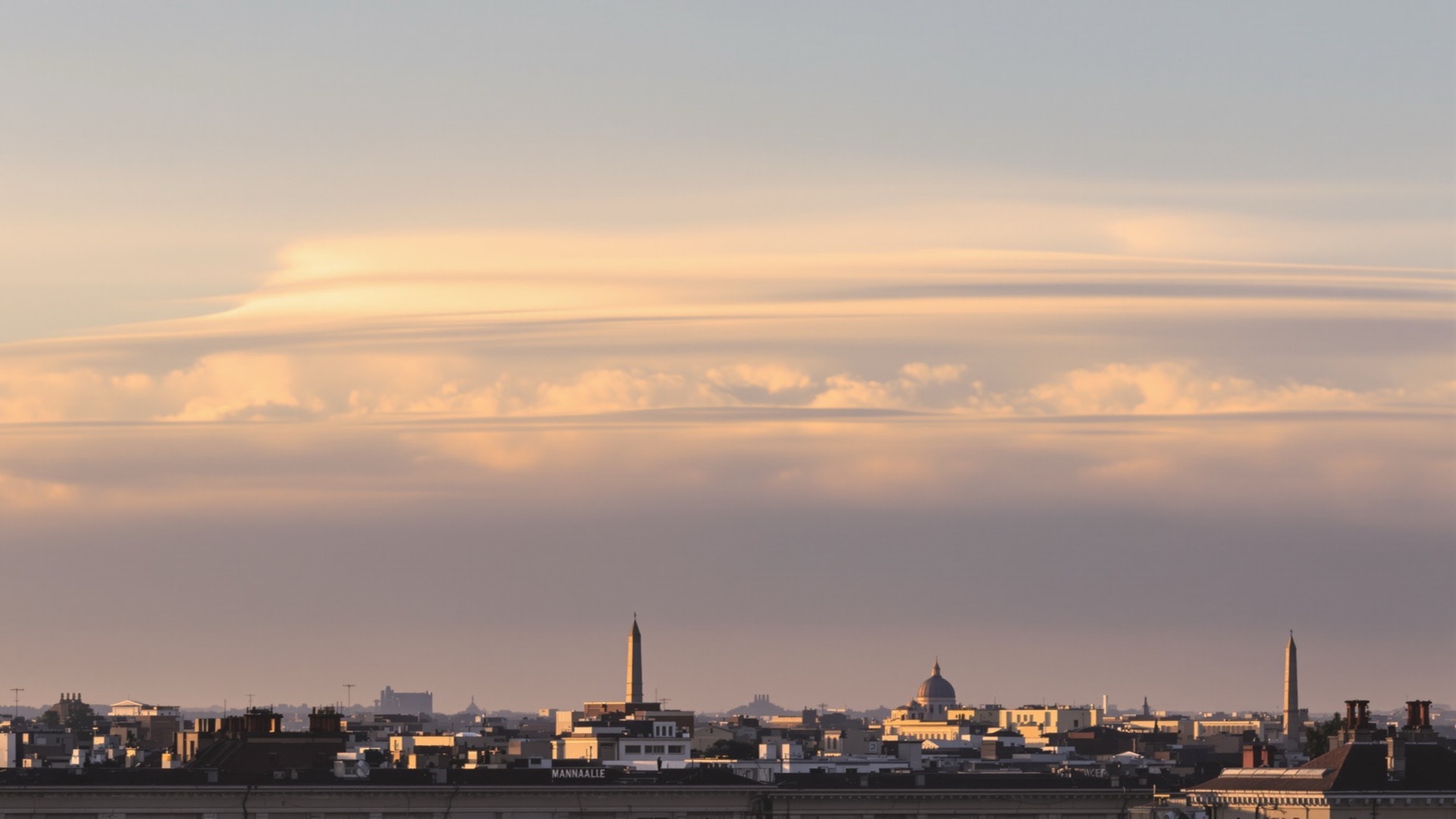
The first thing a camera notices here is how much sky there is. Because the Height of Buildings Act ties a building's maximum height to the width of the street it faces, the built line across most of the city sits low and remarkably level, and the frame fills from the top down with weather instead of glass.
The practical consequence is that light behaves differently. Long shadows reach across whole blocks in the late afternoon rather than being trapped in a canyon, and a rooftop two miles off is still legible. Shoot the horizon low in the frame and let the upper two-thirds carry the picture — the reason the composition works is explained in our guide to why Washington is a low city.
The rowhouse block and its doorways
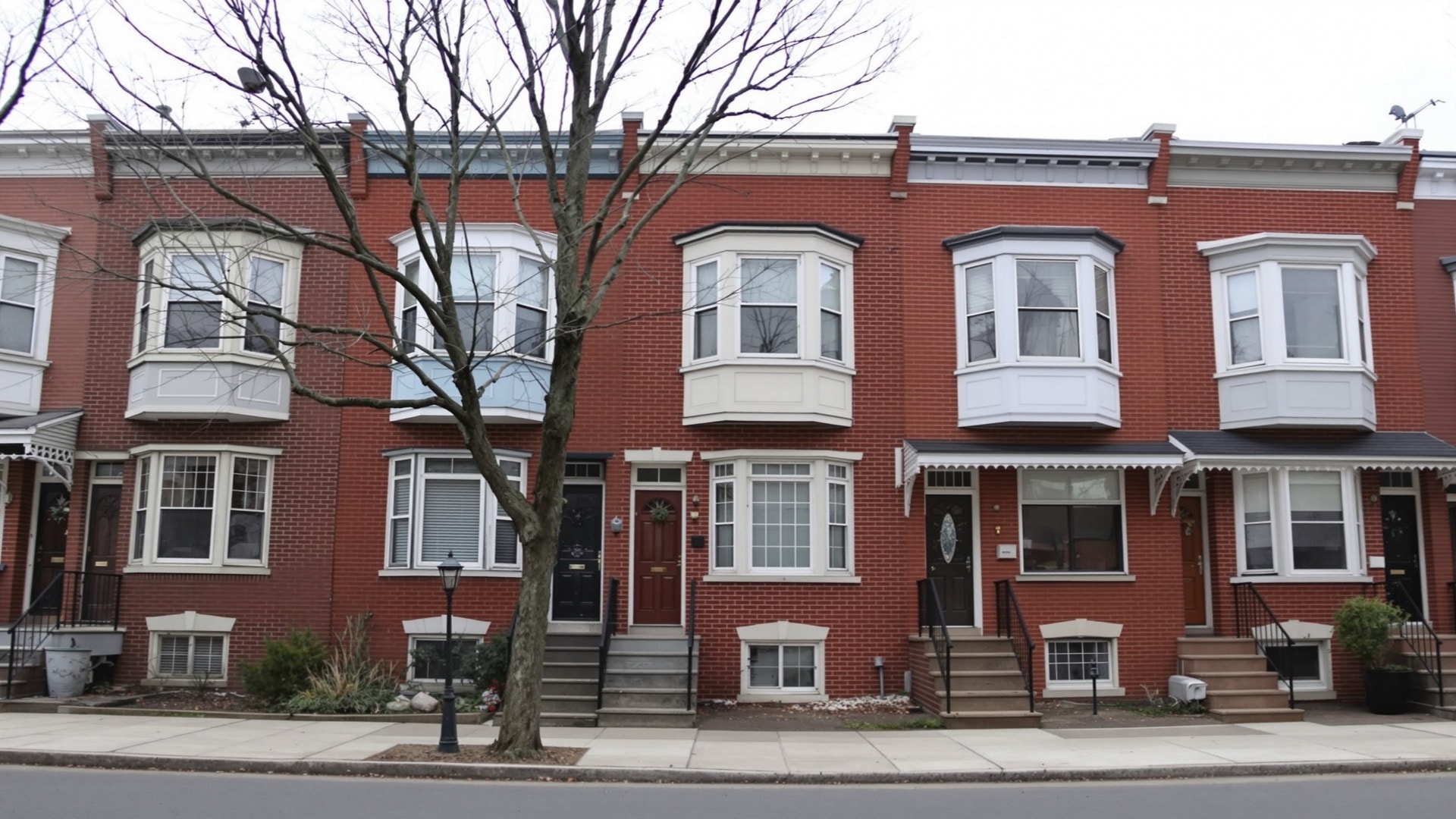
A Washington rowhouse block is a rhythm section: the same bay, the same stair, the same cornice line repeated forty times with small deviations. Photographically the repetition is the subject, and the deviations are the sentence — one painted door, one turret at the corner, one gap where a building came down.
The most productive position is straight on and level, from the opposite sidewalk, so that the facades flatten into a band and the eye reads the pattern rather than the perspective. The alleys behind the block, many of them once built up with dwellings of their own, give the reverse view: back stairs, sheds and additions recording what each household could afford. Shoot the same block twice at ten years' distance and you have a record of a neighborhood's economics, which is the underlying story in our neighborhood guide.
The water edges
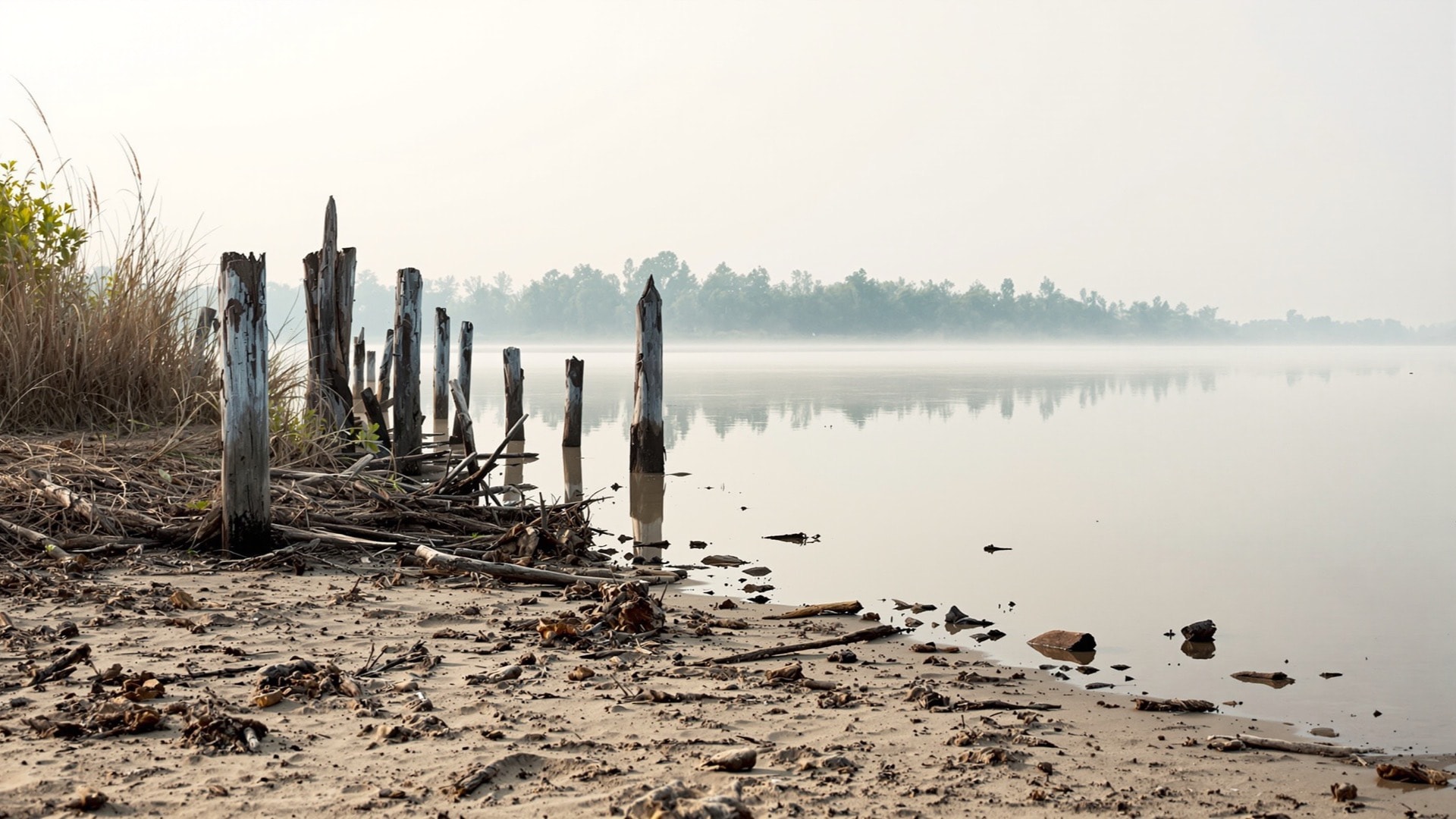
Two rivers do most of the shaping here, and they photograph as opposites. The Potomac is the ceremonial edge: wide, formal, lined with parkland and approached by bridges built to be looked at. The Anacostia, running through the eastern half of the city, is narrower, greener at the bank, and until recently was treated by the city as its back door.
Both reward early light and low tide, when mud, pilings and river debris put a working texture into an otherwise handsome frame. Bridge decks and the ends of piers supply most of the elevated positions available in a city with few tall buildings, but the banks themselves are best worked slowly and on foot. The Anacostia Park shoreline in particular gives the rare Washington picture in which the federal city is entirely absent.
The park interior
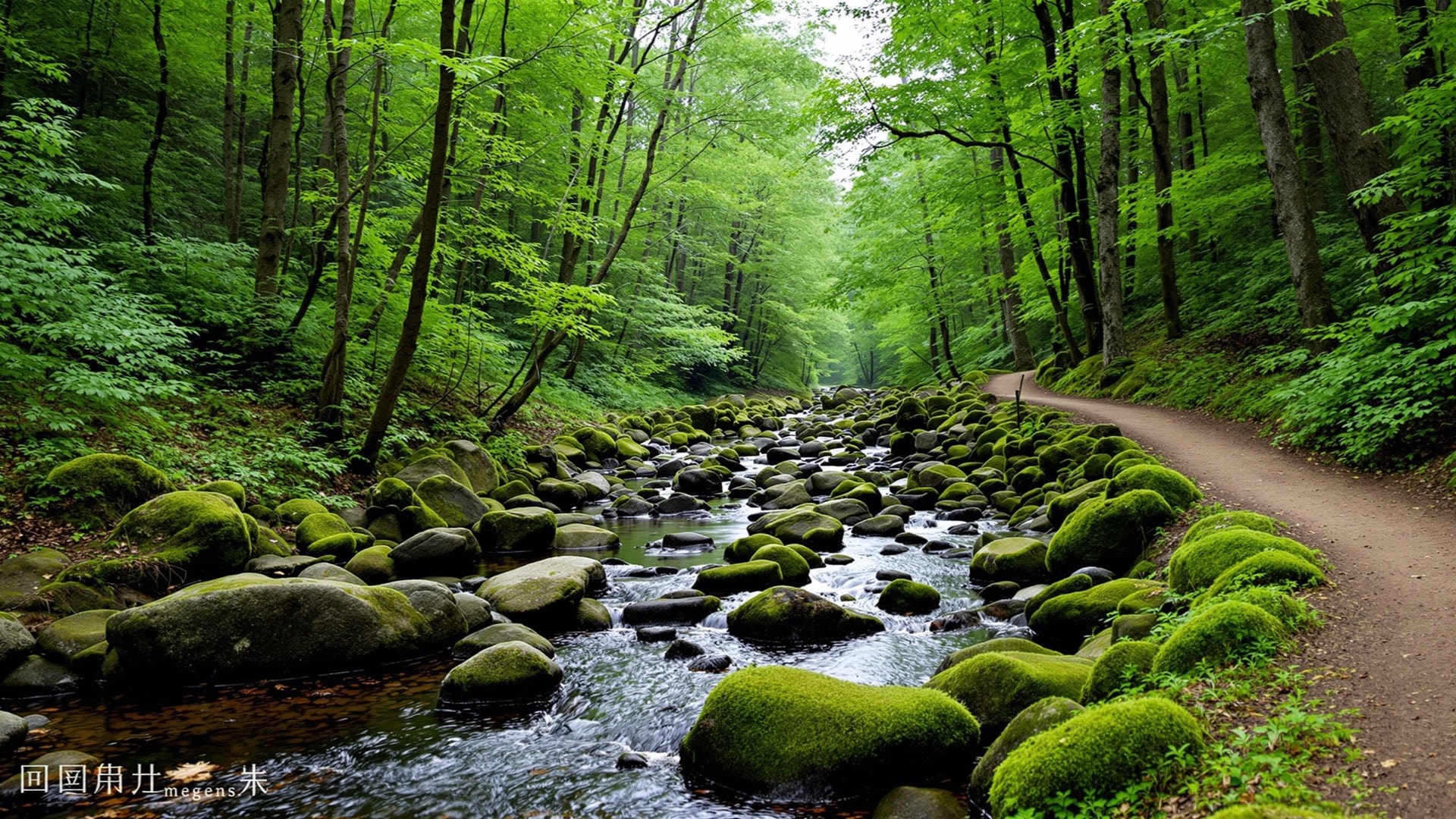
Inside Rock Creek Park the city disappears within about thirty feet of the trail. Roughly 1,750 acres of stream valley cut down through the middle of the District, and the camera can be pointed in nearly any direction without a building entering it.
The difficulty is exposure rather than composition: heavy canopy, a bright stream and deep shade in the same frame. Meter for the water, accept the shadows, and photograph on overcast days, when the contrast collapses and the greens saturate. More on the city's park system is in our guide to Rock Creek, the Anacostia and the Mall.
The federal core from a residential street
The strongest picture of official Washington is usually taken from somewhere unofficial. Because the plan runs diagonal avenues across the grid and the skyline stays low, a dome or a monument will appear at the end of an ordinary residential street, framed by parked cars, street trees and recycling bins.
That juxtaposition is the whole argument of the city in one frame: a federal capital laid over a place where about 690,000 people live. Stand well back and use a long lens to compress the two planes together. How the diagonals produce those sightlines is set out in our guide to the Washington street grid, and the planning bodies that still manage the federal foreground are described by the National Capital Planning Commission. The full guide index lists everything else.